

Ramón “Mongo” Santamaría recorded “Longoito” in 1958 for Fantasy Records, part of Yambú, later reissued alongside Mongo as the two-LP Afro-Roots. Those albums were among the first to carry Lucumí ceremonial music outside Cuba, and for Alex Pertout, a percussionist who grew up in Chile, they were a constant presence: something he has been listening to for decades.
That childhood familiarity with Santamaría’s recording is where “L’Oya / Longo Ito” begins. The piece takes two Yoruba invocations from the Regla de Ocha ceremonial repertoire, both addressed to Oyá, the orisha of winds, abrupt change and the threshold between life and death. The first, “L’Oyá mi L’Oyá,” calls her presence; the second, “Longo ito mi L’Oyá,” greets her as owner of the royal palm tree. Pertout kept the call-and-response structure that holds the ritual together and built the recording around people who carry that tradition: Silvia Cabrera leads the Lucumí vocals, Justo Pelladito plays tambor bembé and sings, both recorded in Havana. César López, also in Havana, plays saxophone in improvised dialogue with the chant. Leonardo Perez plays violin, Luke Howard piano, Alan Plachta acoustic and electric guitars, Craig Newman electric bass and Gerry Pantazis drums, with sessions in Melbourne and Buenos Aires. Pertout himself plays congas, shekeré, cencerro, kanjira, pandero, handclaps, glockenspiel, loops and synthesizers.
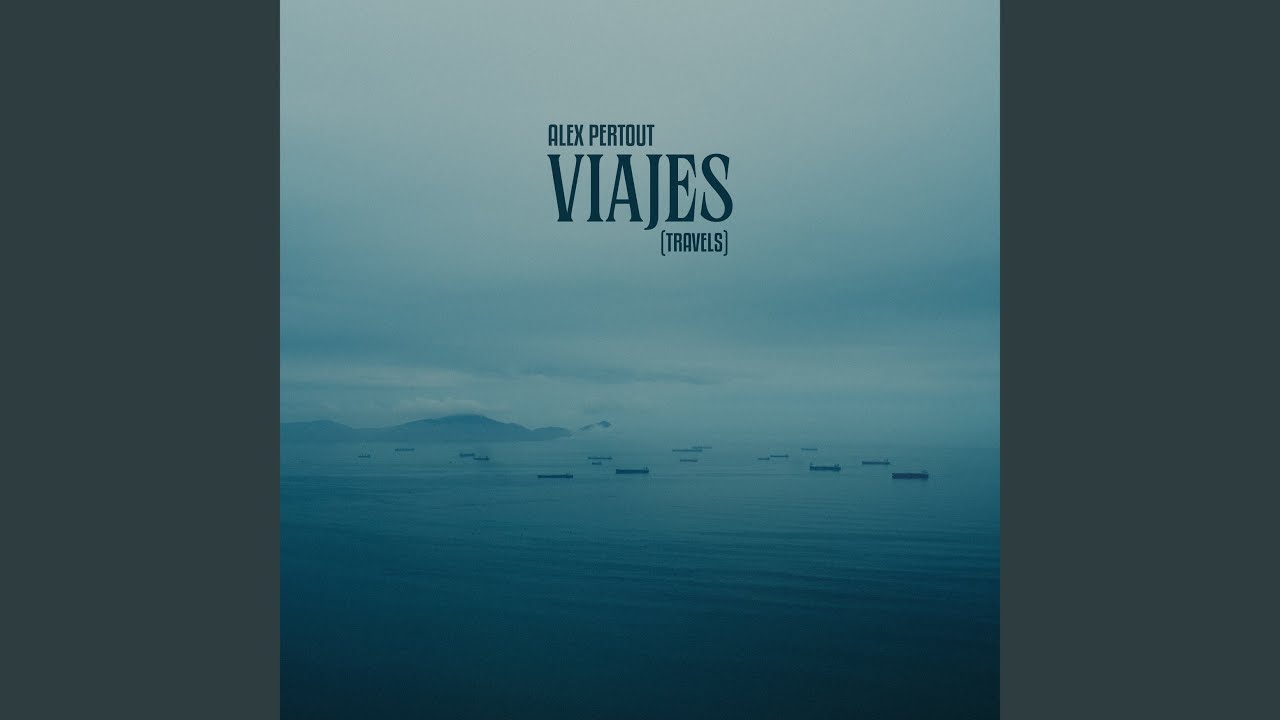
Now based in Melbourne, Pertout is a founding member of the Australian Art Orchestra, has performed with the Melbourne Symphony Orchestra and holds a Premio Internacional from the Cuban Music Awards (Cubadisco). His studio credits reach from Daryl Braithwaite‘s “The Horses” to Powderfinger‘s “My Happiness,” with “L’Oya / Longo Ito” appearing within Viajes (Travels), a six-track album recorded across Melbourne, Havana, Santiago, Buenos Aires, Chennai, West Cork, Launceston and New York, released 20 February.
Listen to and purchase your copy of the album HERE