

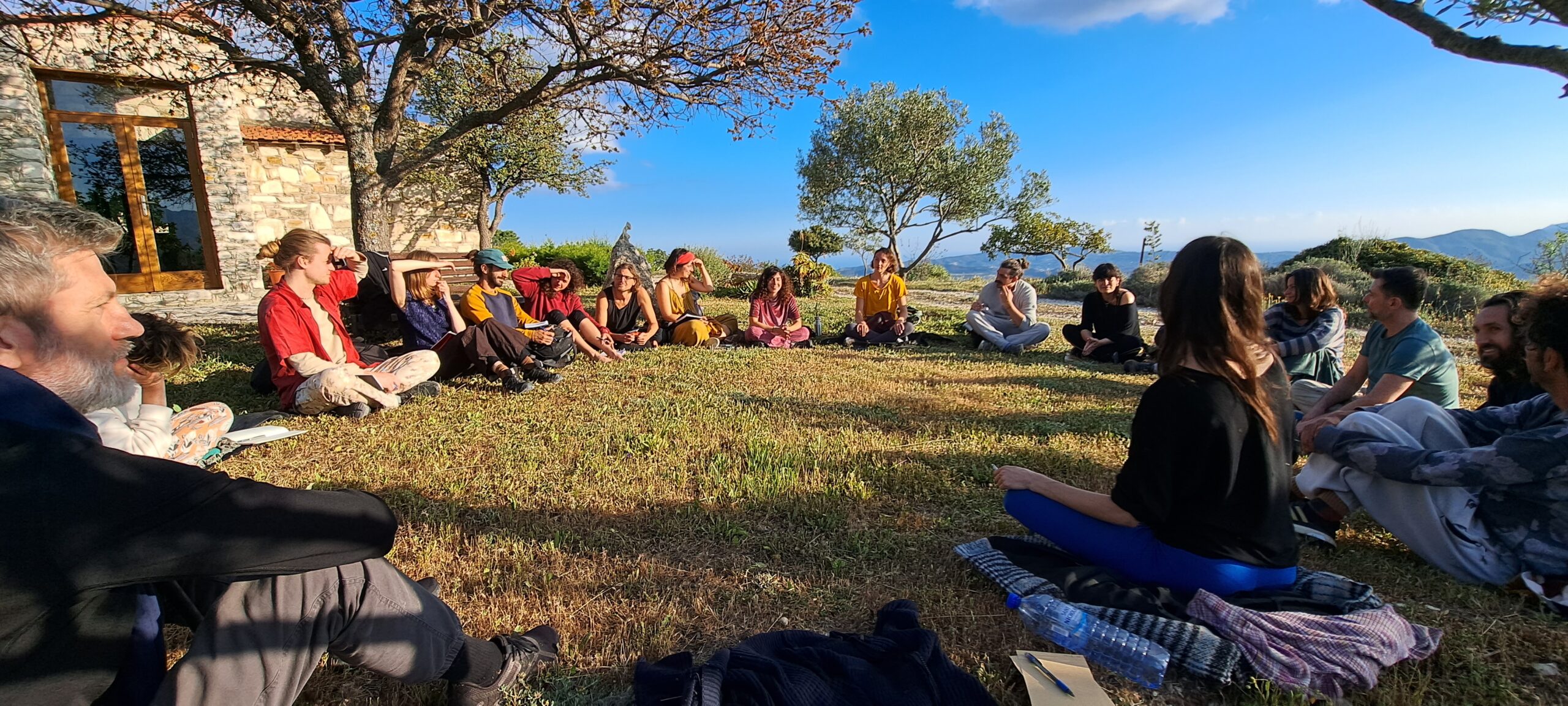
AMARI is a young archipelago of rural artist residencies that has recently emerged in the Mediterranean Sea: Meraki Testa Dell’Acqua near Noto in Sicily, The Open Nest in Vavla, Cyprus, and Stonefish on Vis Island, Croatia. Co-founded in 2025 by a working group driven by Mark Dieler, Lefteris Moumtzis, Yves Taquet, Liese Kignma and Lena Ingwersen, the network first took shape among creatives and practitioners from Cyprus, Croatia, Italy, Tunisia, Palestine, the Netherlands, France, Germany, Latvia, the UK and Greece. It supports musicians, producers, researchers and cultural operators who want to work where cicadas drown out traffic, rehearsal rooms open onto olive groves, and the nearest venue might be a village square or a barn with good acoustics.
The network challenges the idea that serious creative work has to sit close to industry hubs. It places artistic practice inside the daily rhythms of Mediterranean villages in Southern Europe: stone houses with thick walls that keep sound in, terraces where recording equipment can be set up at dawn, coastal paths that clear heads between sessions, and local communities who know which abandoned buildings carry sound well and which neighbours will complain about drums after 9PM.

Each site gives musicians, producers and cultural workers the space to write, rehearse, listen and meet people living year round in these places. Creative work is built around what is already present, from existing community projects and local crafts to off-grid power systems and informal concert spots in courtyards, barns or among trees.
Meraki Testa Dell’Acqua sits in southeastern Sicily, half an hour by car from the Baroque town of Noto. There, Mark Dieler, who splits his time between Latvia and Sicily and has more than a decade of experience working in East Africa, runs residency projects and co-produces Sicily Music Conference focusing on Mediterranean music ecosystems and circular economy models. Meraki TdA also operates as a non-profit cultural association based in the hamlet of Testa Dell’Acqua, open to members from a wider area that includes Catania, Noto, Palazzolo Acreide, Ragusa, Modica, Caltagirone and Siracusa. Activity is spread across three properties on the edge of the village, with exhibition spaces, rehearsal rooms, an indoor room for events and screenings in the colder months, a stage for music and dance, and an outdoor amphitheatre and cinema in development.
The Open Nest is rooted in the stone houses and narrow streets of Vavla, a tiny mountainous village in the Larnaka region with fewer than 100 residents and Preserved Village status. Co-founded by musician and producer Lefteris Moumtzis, whose 25-year career spans bands such as Trio Tekke, solo work under the Freedom Candlemaker name, theatre and film composition, and artist mentorship, and by visual artist Anastasia Demetriadou, it sits between three districts and within easy reach of Larnaca Airport, close enough for visiting artists and still quiet enough to hear the village church and the wind in the hills. Painters, musicians, sommeliers and artisans share kitchens, courtyards and small rooms. Across the year, the house and village host workshops, intimate concerts and an annual small music gathering among olive and carob trees, under the outline of the Cypriot mountains.
Stonefish occupies an off-grid agricultural property on the island of Vis, off the coast of Split, developed collectively by Yves Taquet and the crew behind Goulash Disko, Croatia’s first crowdfunding music festival. Materials and props from the festival become permanent structures and working spaces, solar power runs daily life, and terraces and fields sit beside rehearsal corners and simple stages. Artists and organisers pass through to help build, to pause while touring the region, to play shows on the island, or simply to rest and write, with agricultural work sharing the same timetable as workshops, outdoor concerts and evening gatherings looking out towards the Adriatic.
The network frames this activity through five operating principles. Reconnection means working with non-urban environments and local populations as active partners. Rural regeneration ties residencies to cultural projects that bring attention, skills and resources to places facing depopulation. Creative work is treated as collaborative from the outset, with exchange and shared authorship built into programming. Openness links artists, communities and geographies that rarely meet under normal touring conditions. Sustainability joins environmental, social and financial commitments so that residencies can continue without relying only on external intervention.
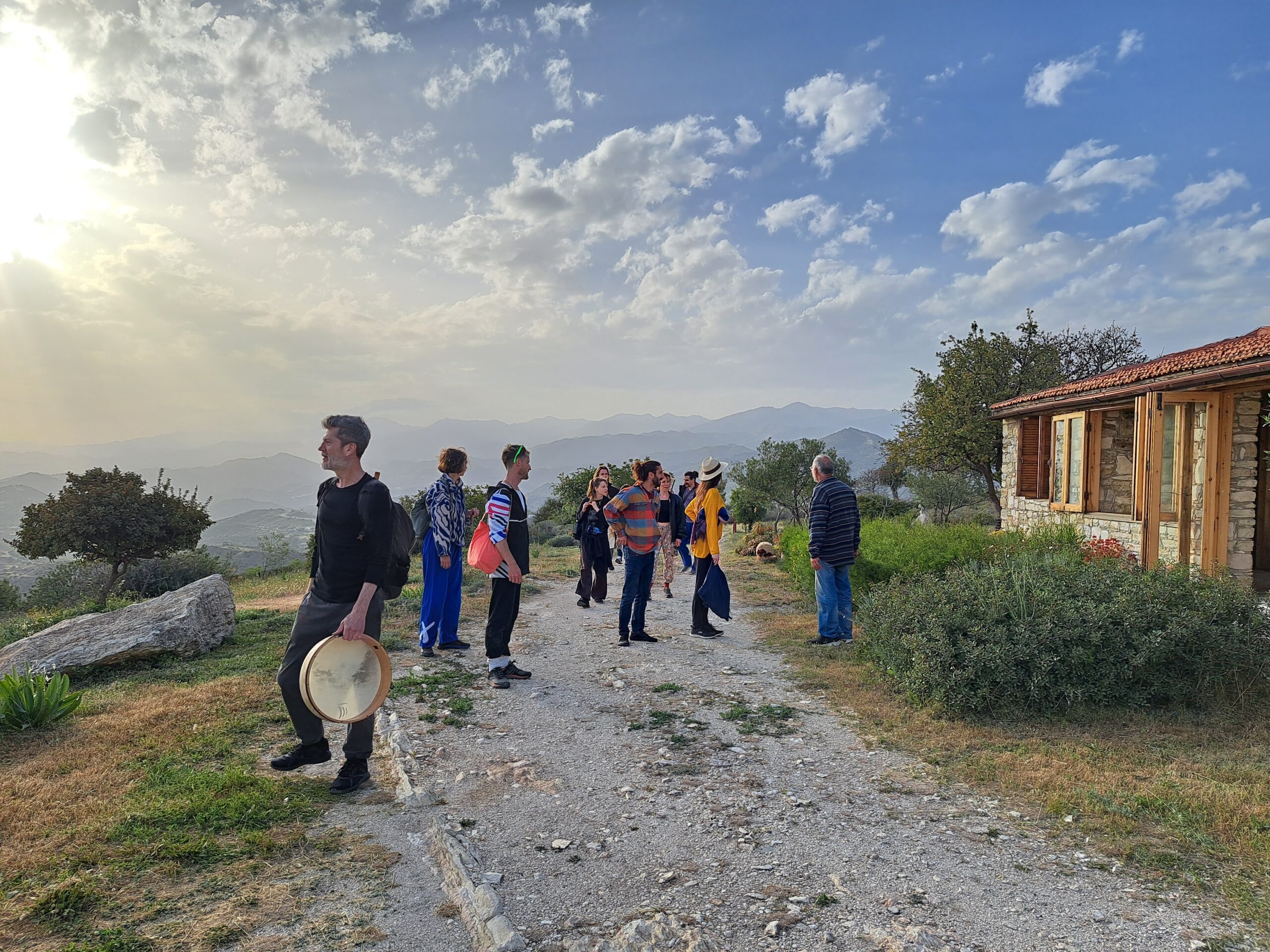
People usually arrive at AMARI through conversations that run across festivals, residencies and local scenes. The three sites welcome artists, musicians, producers and researchers through direct invitations and shared projects with partners such as In Place of War, Tallinn Music Week, Trans Europe Halles, Earthsonic, Nord University, Dirty Deal Audio, Music Cities Network, Rural Radicals, Space of Urgency, and Paavli Kultuurivabrik. Meraki TdA shapes residencies around local social projects and regional music networks, so visiting artists meet organisers, players and neighbours who already form part of Sicily’s musical life. At The Open Nest, Moumtzis writes and records, then shifts to the same table or courtyard for workshops and mentoring sessions. Stonefish brings people together around farm work in the daytime and intimate gatherings, listening circles and live sets that follow the rhythm of the island.
Life across the network follows the calendar of rural southern Europe. Public events and visitors peak in certain months, then give way to quieter periods when the focus turns to rehearsing, recording, tending the land or planning the next visit. Residency stays run long enough for artists to share that cycle with the people who live there all year. Projects draw on what the island or village can offer at each moment, and the off season becomes a time for slow work, shared meals, new songs tried out in small rooms and ideas that stay in touch after everyone leaves.
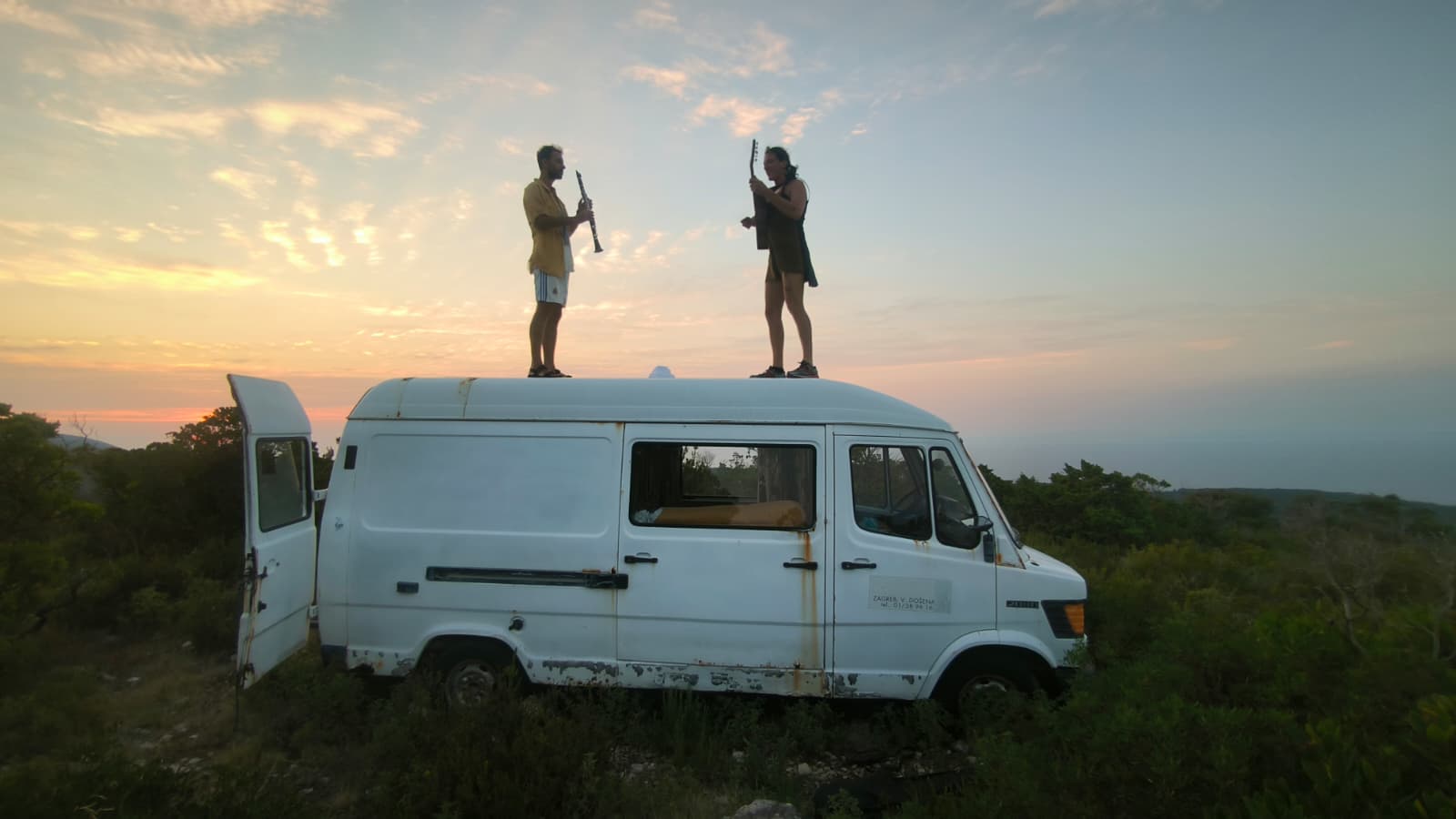
After sharing AMARI with music professionals and audiences at Visa for Music in Morocco and PIN Music Conference in North Macedonia, next week Dieler, Moumtzis and Taquet will take the project to the ESNS 2026 conference stage to talk from these experiences and listen to others working in rural contexts around Europe and beyond.
For musicians, producers, researchers, cultural operators and organisations who recognise themselves in this picture of sea-facing villages and hillside towns, AMARI offers three doors in Sicily, Cyprus and Croatia, and a shared platform where the next round of meetings, residencies and collaborations can begin. If you are interested in culturally and artistically focused rural Mediterranean residencies, or work on similar models elsewhere, get in touch through the individual sites or AMARI’s shared platform.
Learn more about the project and the residencies HERE
Contact the organisers HERE